I am
years old and studied Computing and Management at Loughborough
University. Outside of programming most of my time is spent either watching or playing sports.
During my final year of school I was still undecided about my future and hadn't applied to university.
I was unsure about what I wanted to do next and what would be right for me, so once I finished school
I decided to go travelling.
My brother was also in a similar situation as he had just graduated from university.
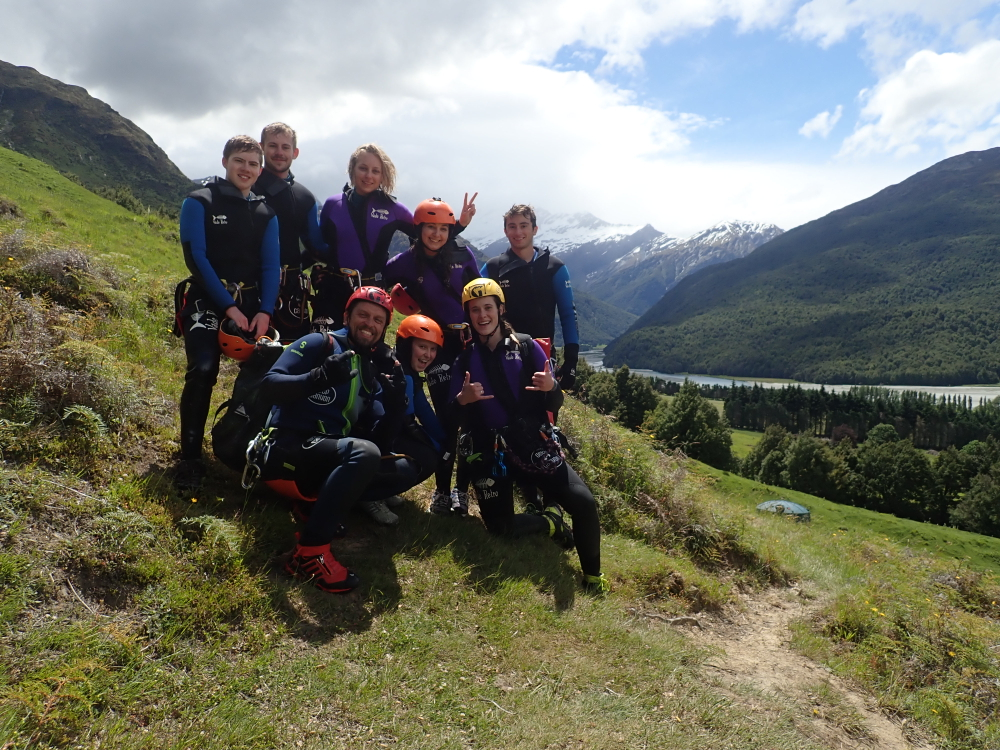
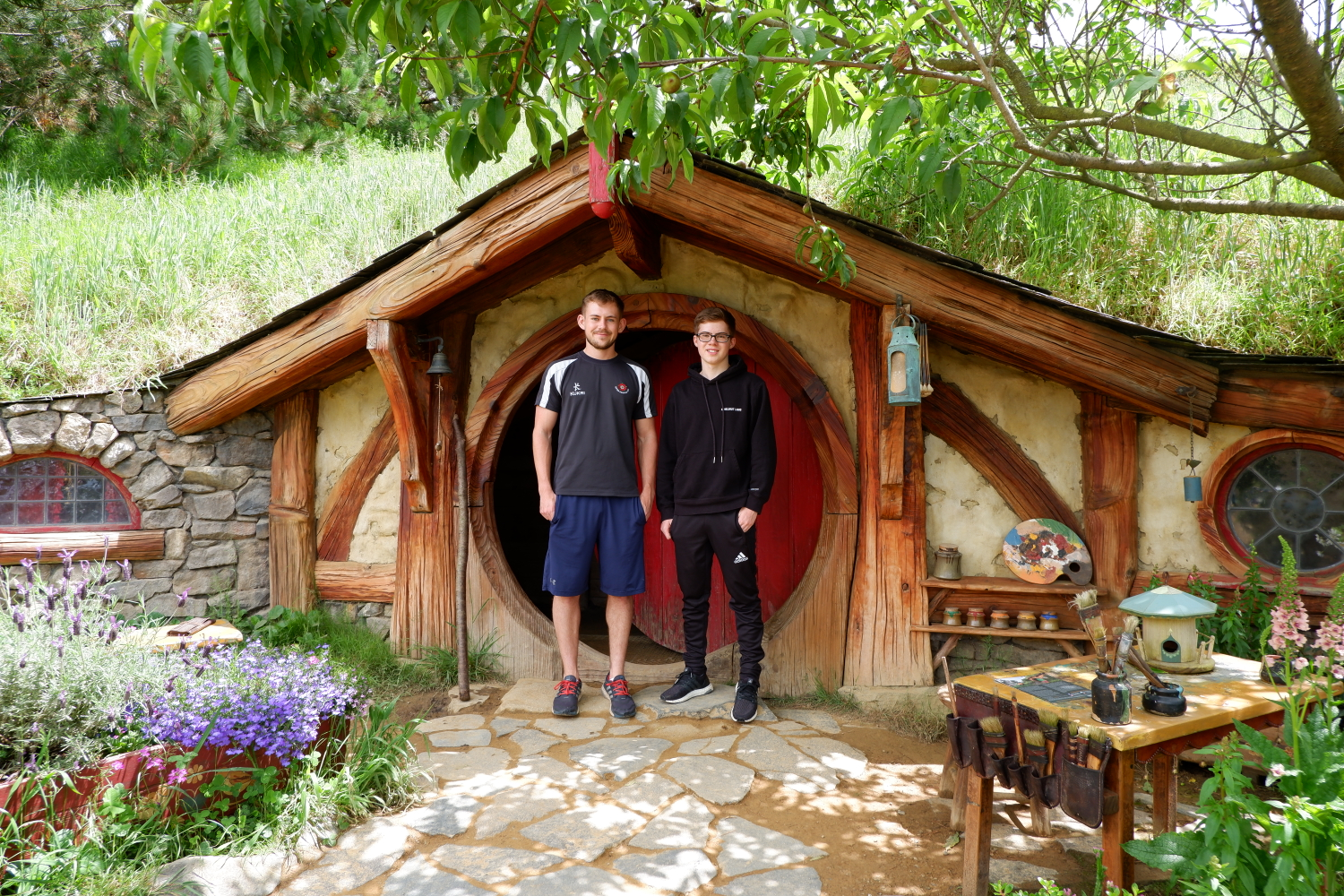
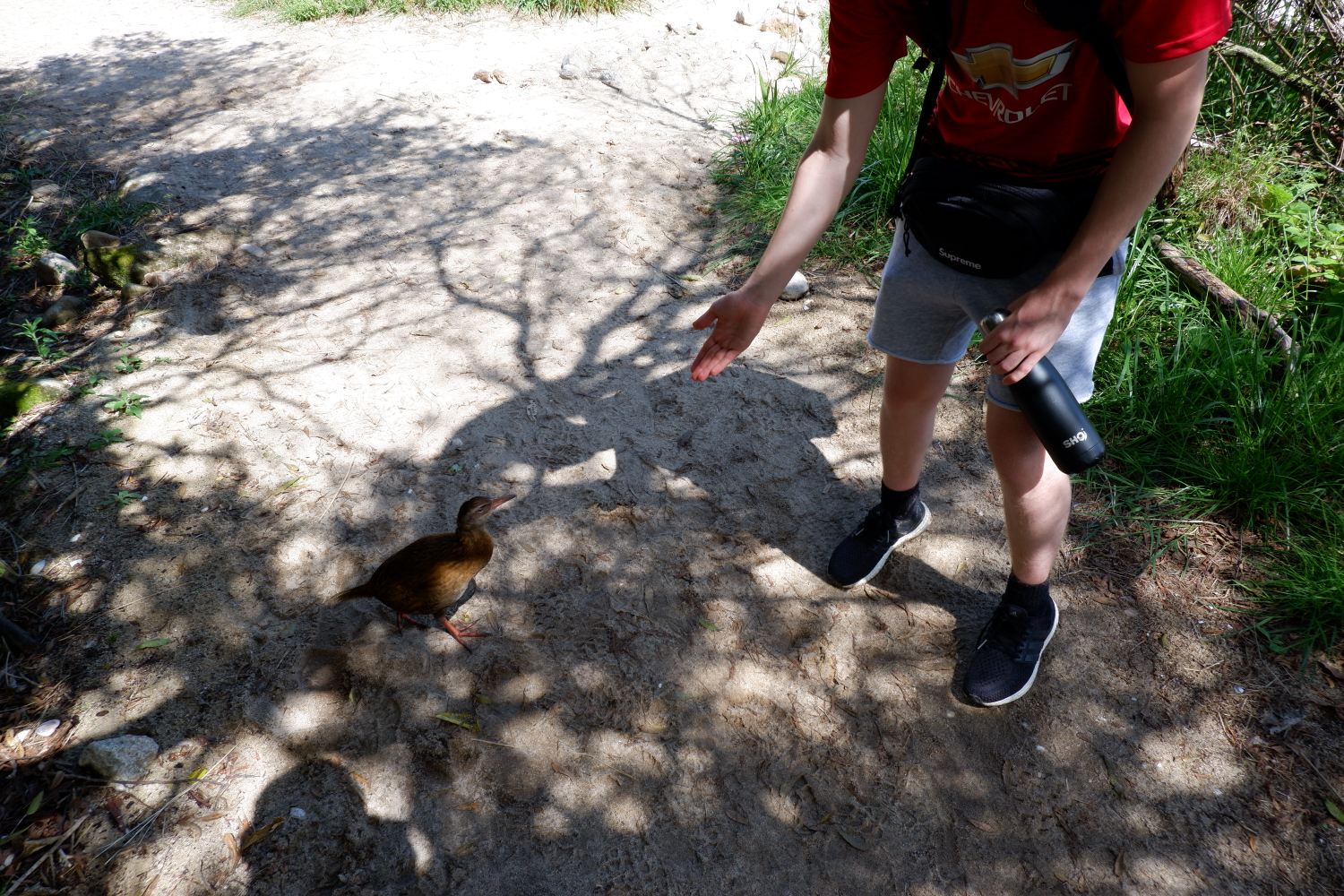
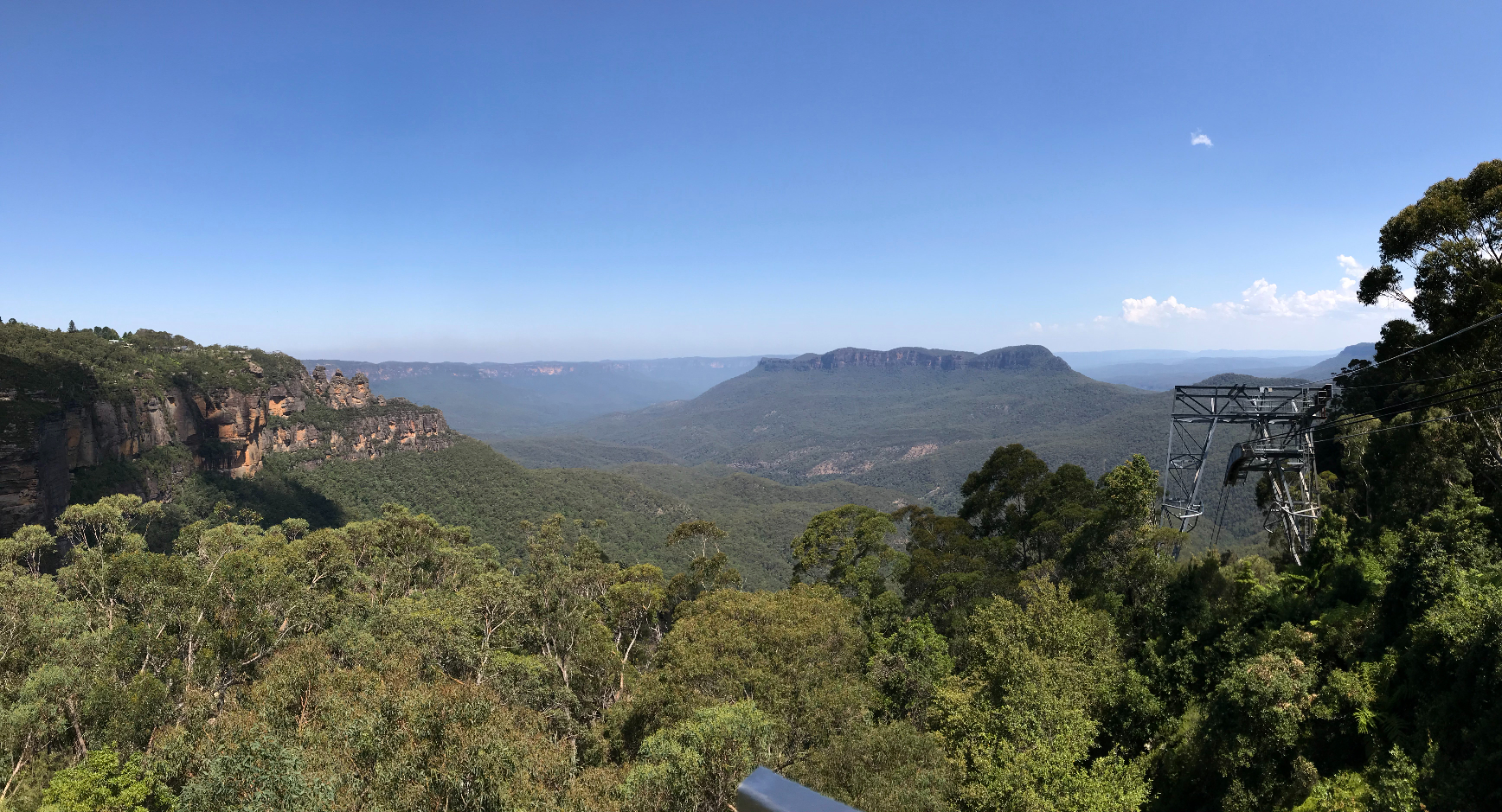
So with minimal plans we headed off to Dubai, New Zealand
and Australia for 3 months from November 2018 - February 2019.
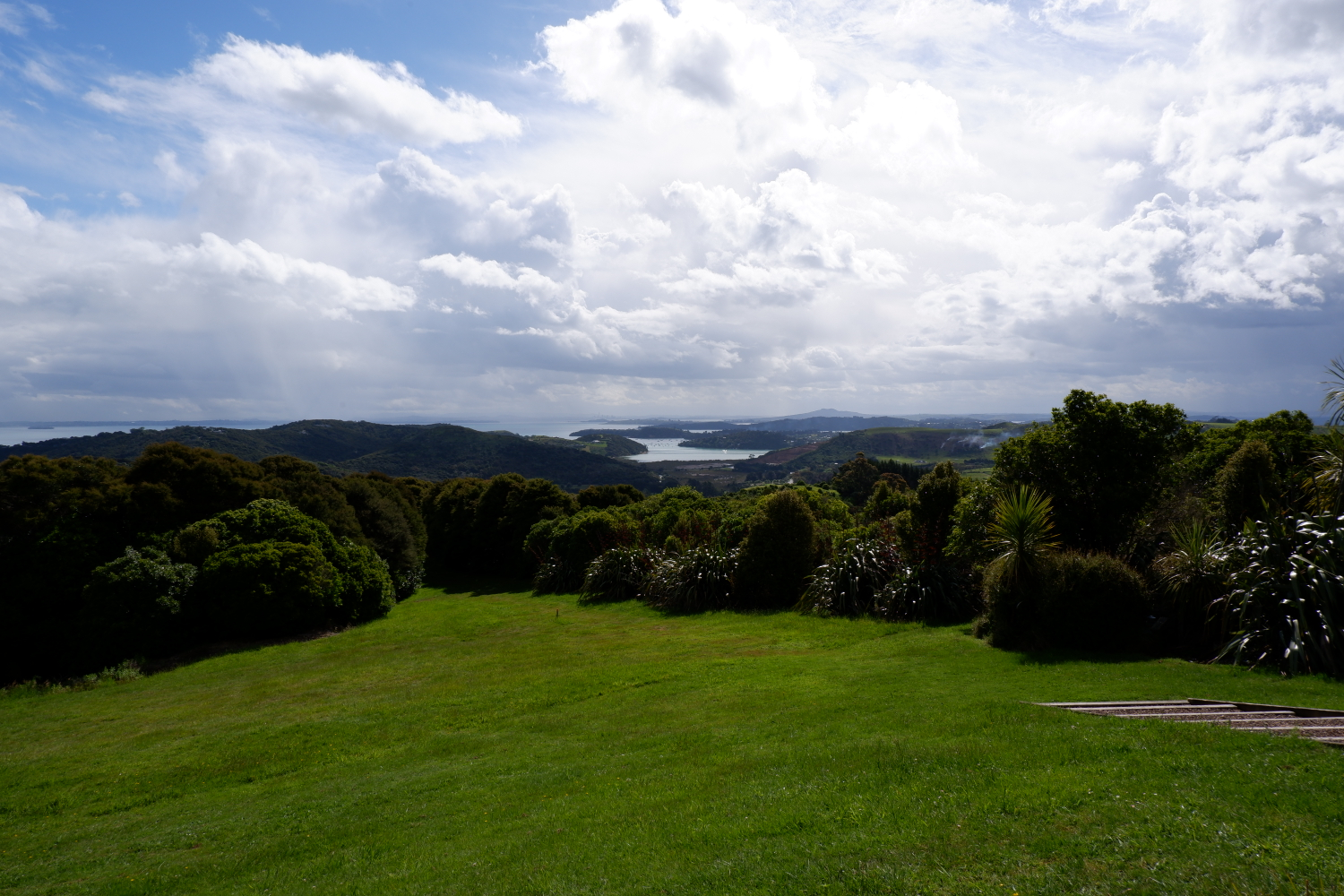
The trip gave me the time I needed and whilst surrounded by beautiful views and the
cleanest air in the world in New Zealand I came to the conclusion that I wanted
to pursue a career in computer science. I wrote my personal statement and completed my uni application
while in a hostel on an island just off Auckland.
Stride
Stride is an autoregulated hypertrophy training app, built in the style of a Renaissance
Periodization tracker. You build an exercise library, plan a mesocycle, log every set in the
gym, and rate your recovery after each session. The app then generates next week's
prescription automatically. Volume climbs from MEV toward MRV when you're recovering well and
backs off when you're not, target RIR ramps down across the block, load follows double
progression, and the final week is a deload. It's multi-user with Google sign-in, and the
progression logic lives in its own unit-tested engine, separate from the UI.
Full Time '26
A sweepstake app for the 2026 World Cup. Friends sign in with Google, join a league from a
single invite link, and the 48 teams are dealt out at random, using either a "lucky dip"
shuffle or seeded pots for a fairer spread of favourites. As the tournament progresses an admin
updates each team's stage and every league's table updates live, with points for how far your
teams go plus live match bonuses like group wins and giant-killings. For the draw, your teams
arrive as face-down cards that flip over one by one, then live on as stickers with a gold-foil
edge until they're knocked out.
Day Finder
Find the quietest days to visit any theme park. Search from hundreds of parks worldwide, set
a date range and filters, and get a ranked list of the least crowded days to visit. You can
use a custom window or a rolling "days ahead" slider, exclude days of the week you can't
travel, and cap results above a crowd-percentage threshold. Each open day shows a visual crowd
bar, a status label, and opening hours. Crowd data is scraped server-side via Next.js API
routes, so there's no separate backend.
Local RAG
A Retrieval-Augmented Generation app that runs entirely on your own machine with no API costs.
You load a document, with support for multiple file types as well as content pulled straight
from an online link, and it splits the text into chunks, embeds them into a local ChromaDB
vector database, and answers your questions using only that document's content via a local LLM
through Ollama. It has a UI for loading documents and chatting, with source citations for every
answer, plus configurable models and chunking depending on your hardware.
Ranker
Ranker lets you create and share ranked lists of your favourite roller coasters, movies and TV shows. You build a
list with drag-and-drop reordering and share it with others via a unique URL. It uses Google
OAuth for sign-in and a responsive design that works across devices.
Shared Queue
Connect your Spotify account and create a collaborative listening session where you and your
friends can add songs to the queue remotely, so everyone contributes to what plays next from
their own device.
Stock Portfolio Web App
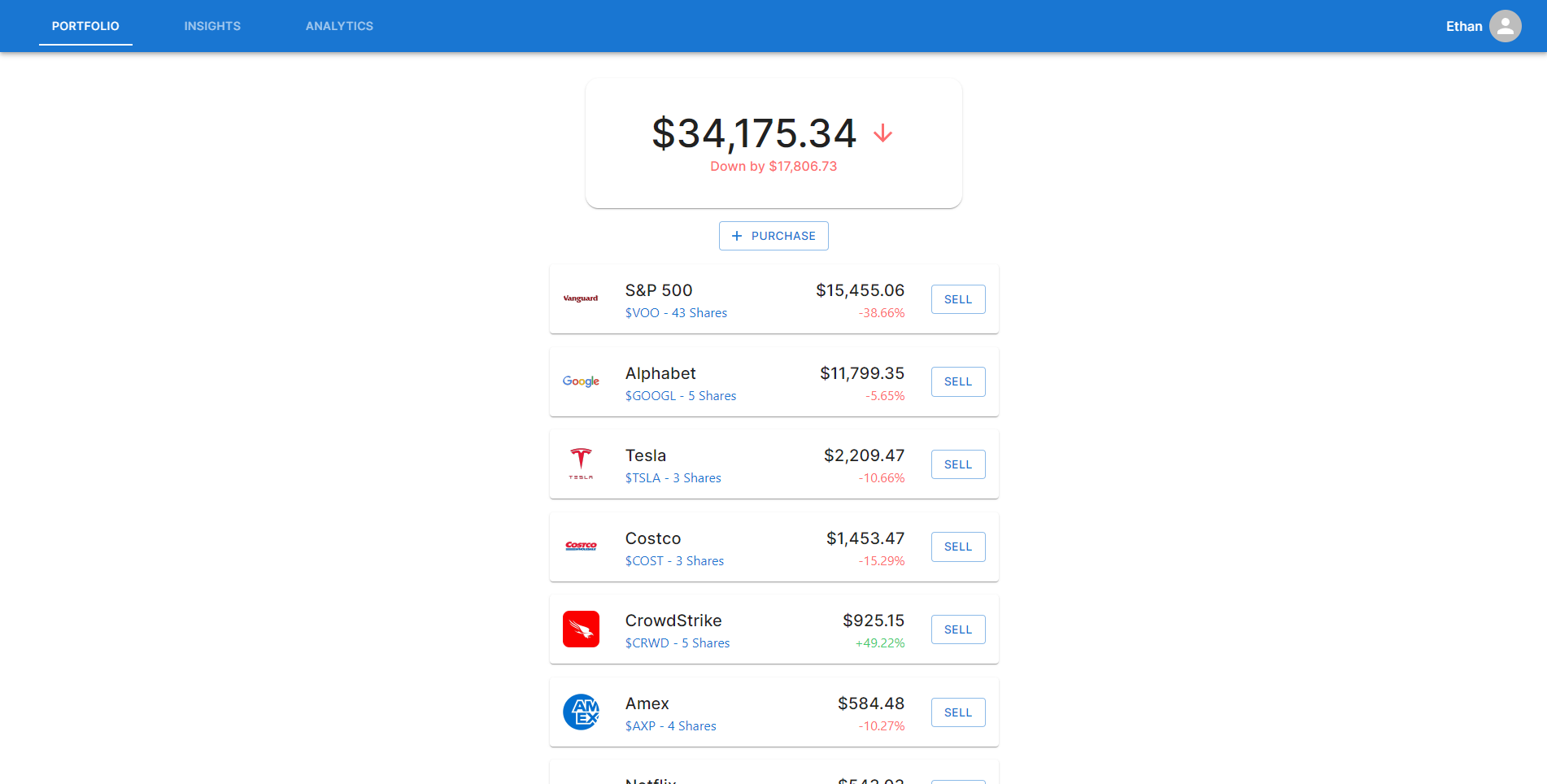
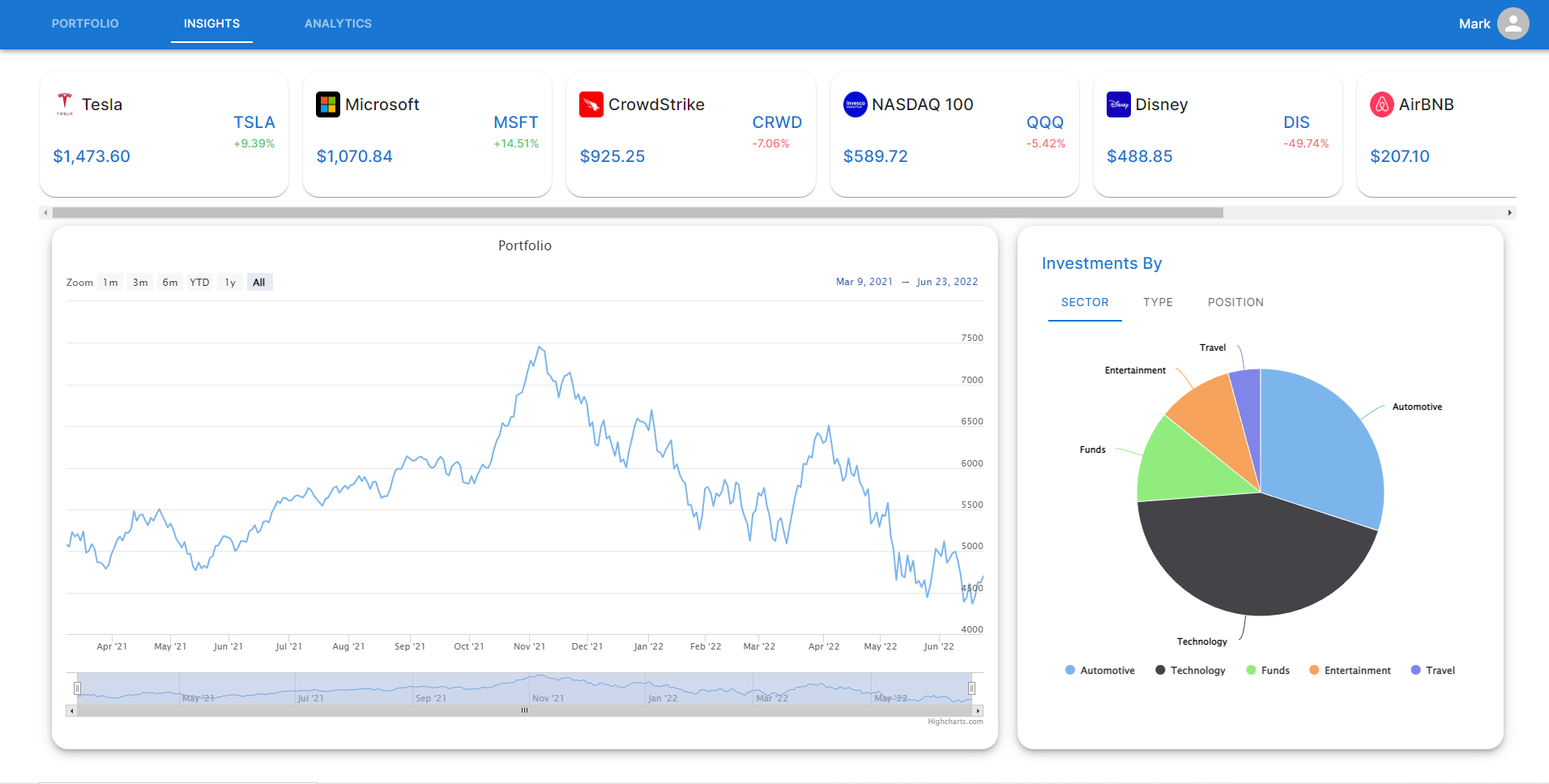
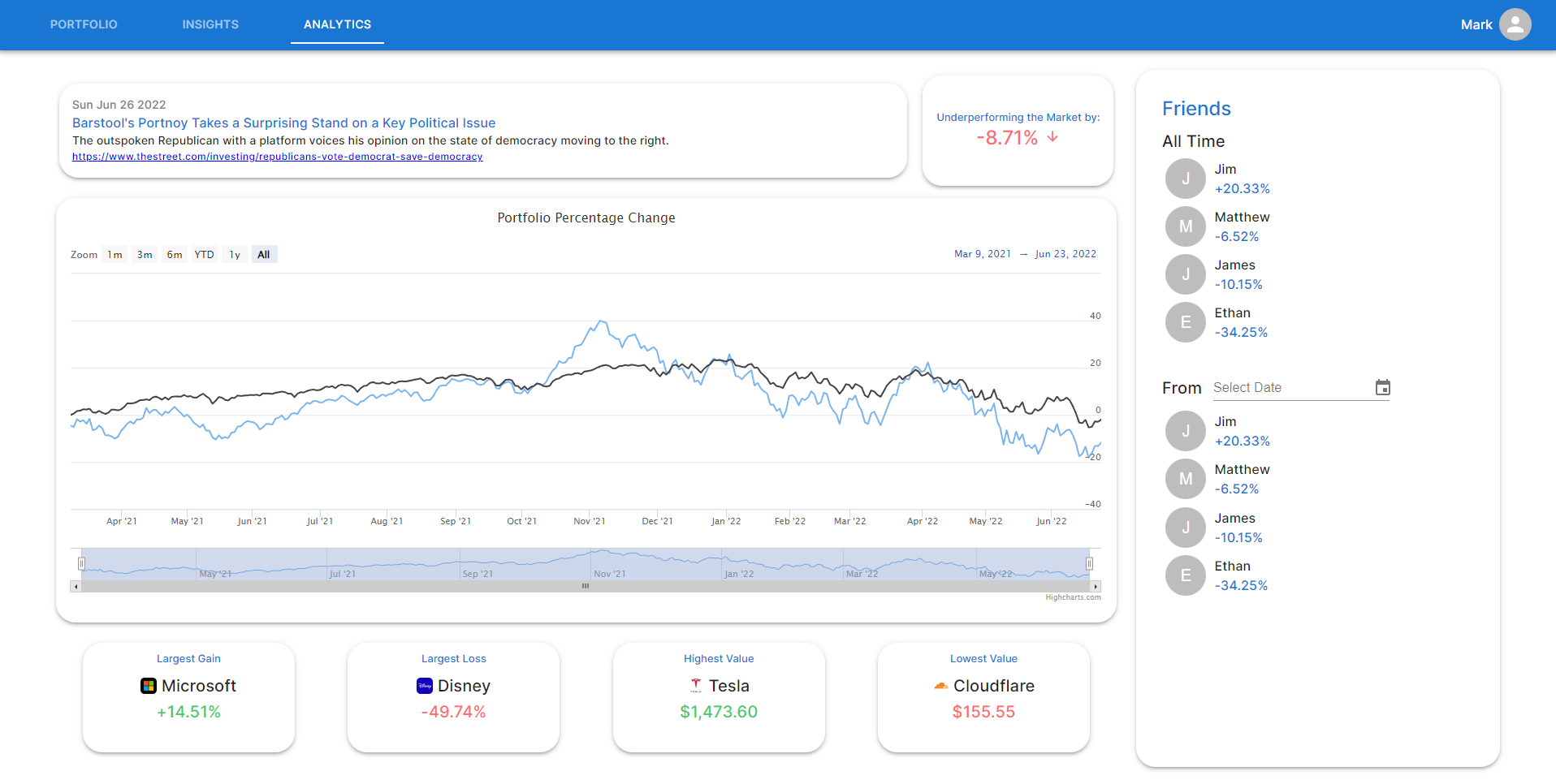
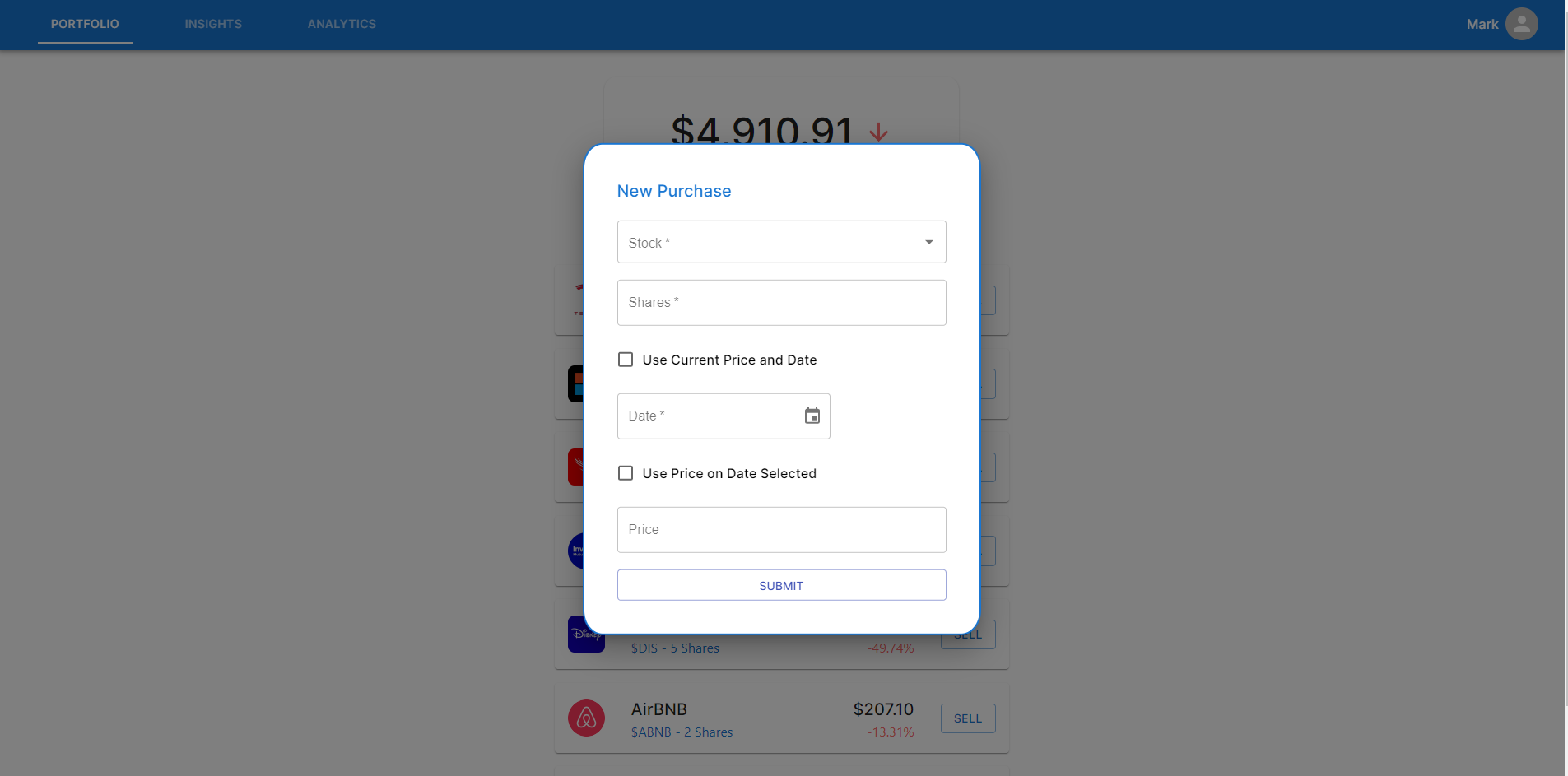
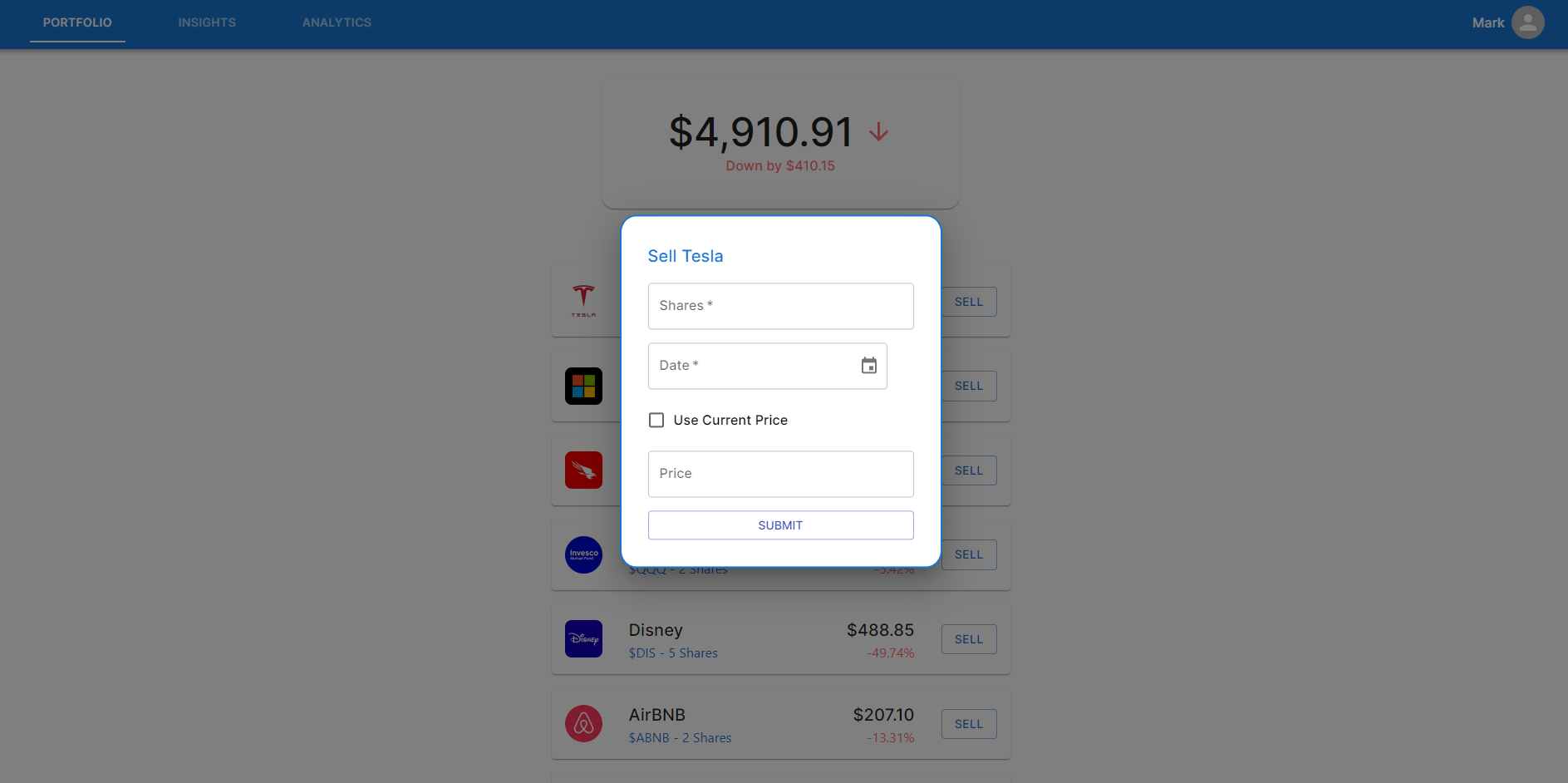
This was my final year project for university. I created a stock portfolio tracking web app using
React for the frontend and Express for the backend. It used live market data to display the user's
portfolio and statistics/analytics about their portfolio's performance.
All the projects below are rather outdated and not reflective of my current work but this website is
relatively unchanged from when I first made it so I thought I would just leave them in.
Calendar & Fitness Tracker
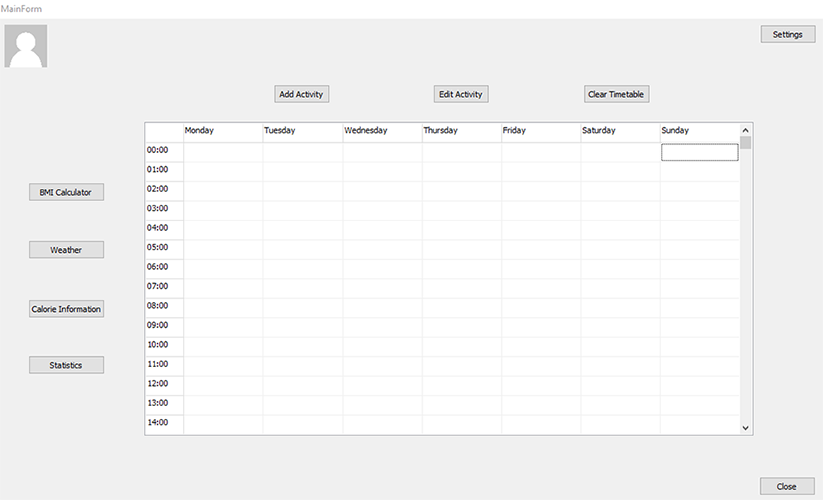
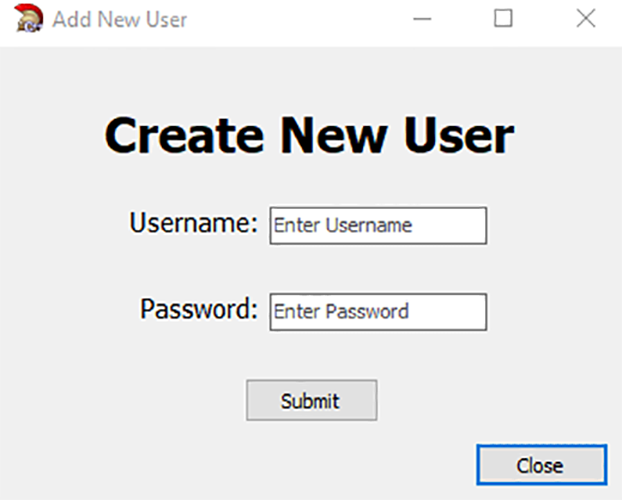
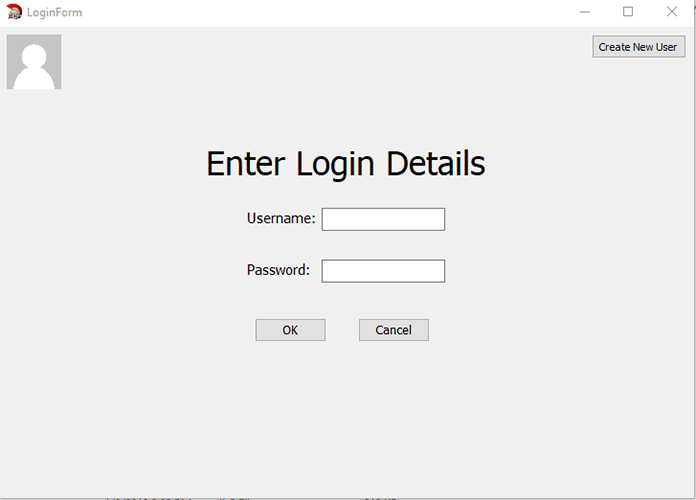
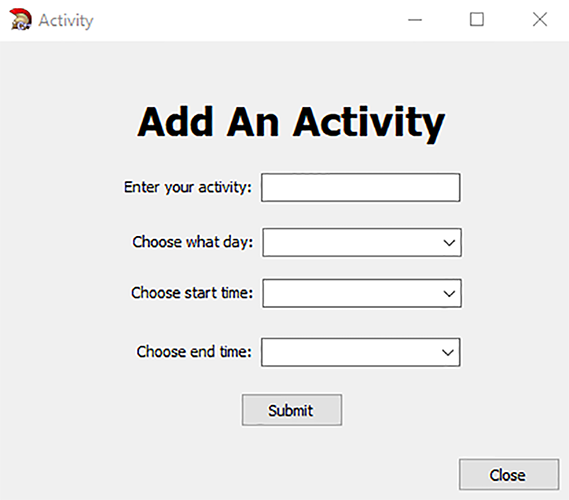
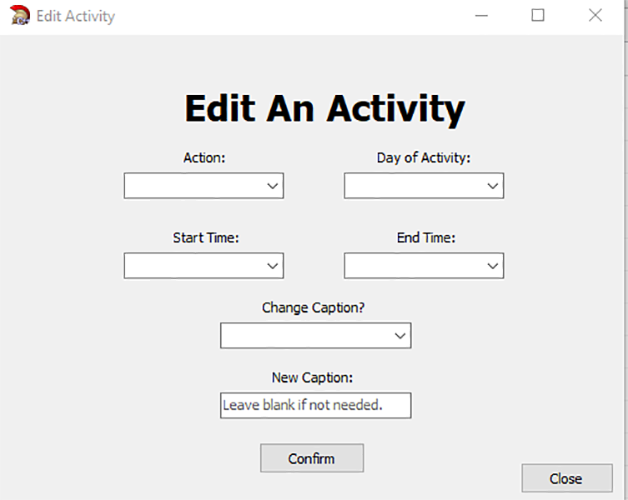
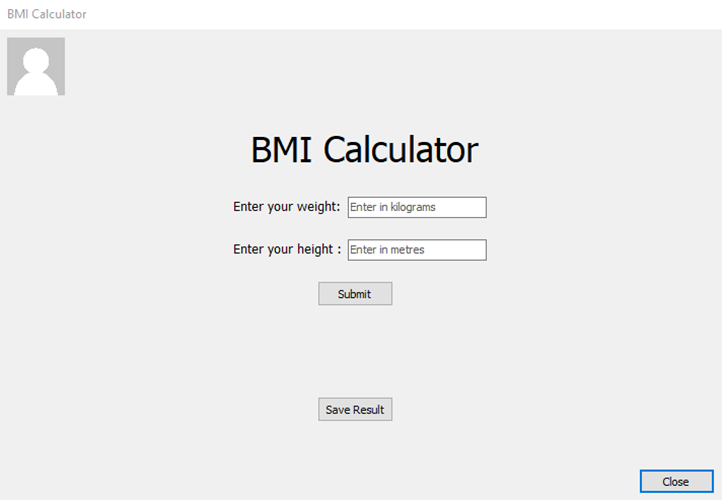
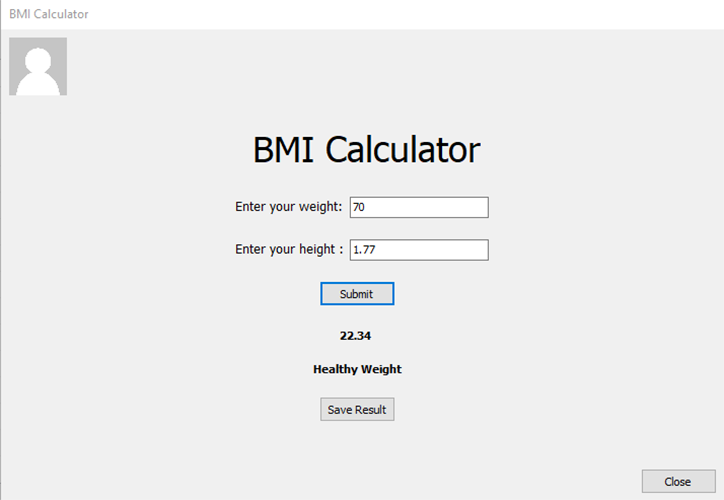
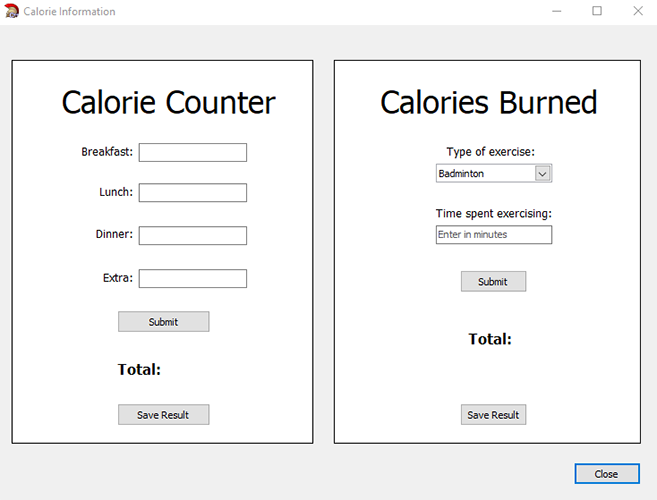
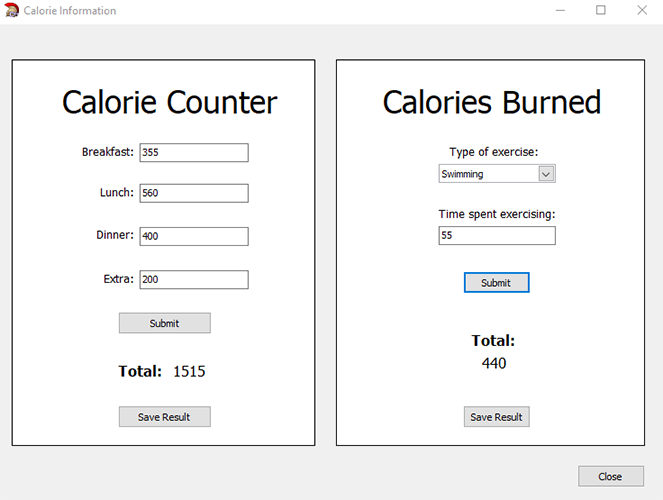
The program utilises a grid to function as a personalisable calendar with features
related to health/fitness such as a BMI calculator, a calorie tracker and a calories
burned calculator. It also featured a backend database to store the user's personal information
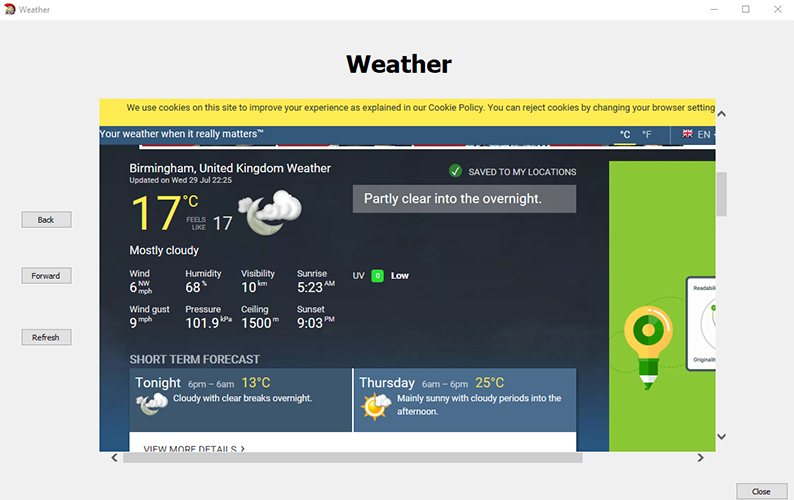
and unique log in details. The weather window functioned as a browser within the program to access
local weather news.
This was my first ever personal programming project as it was my coursework for A Level
Computer Science, the overall grade for the program and it's documentation
was an A*.
Library System
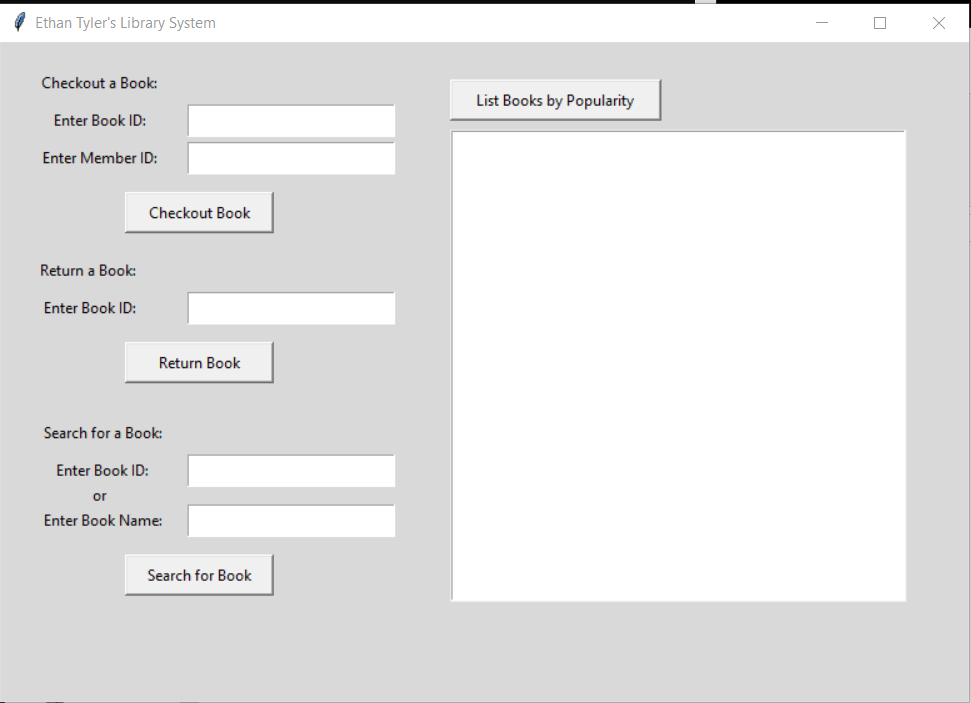
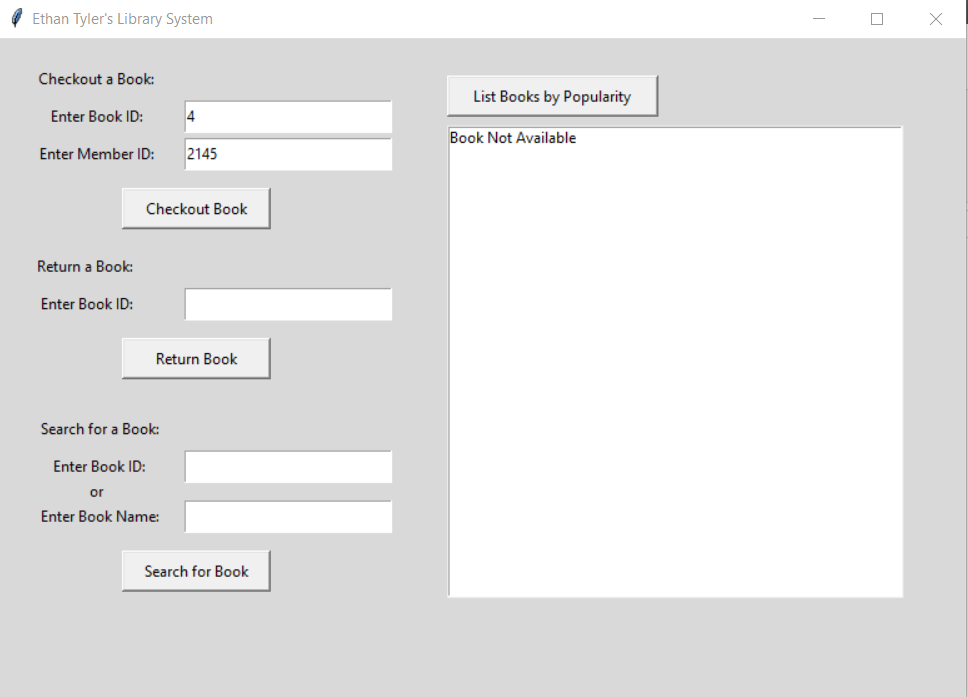
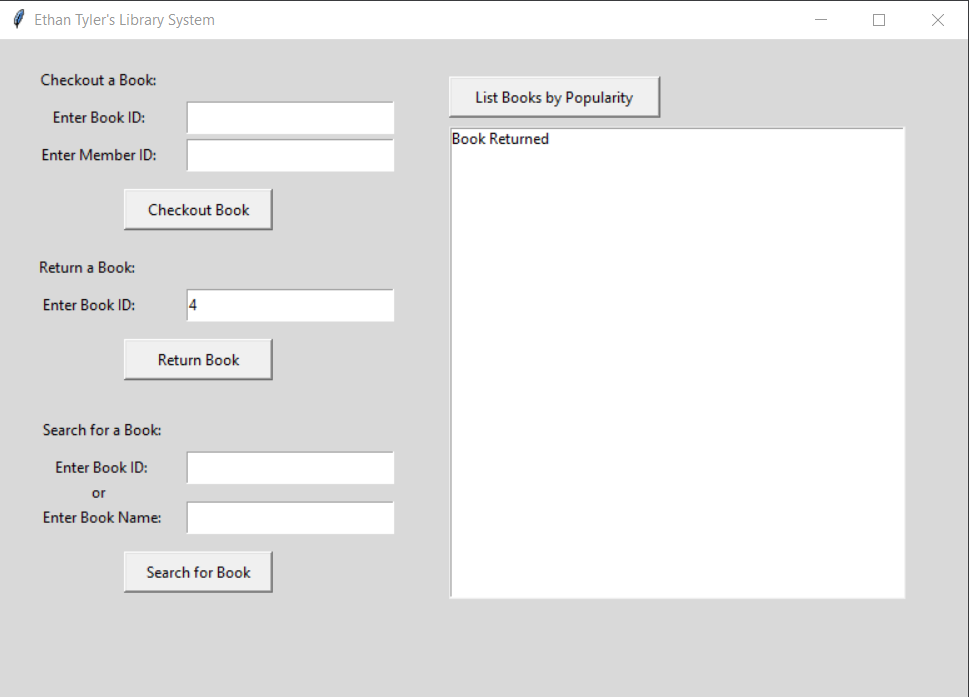
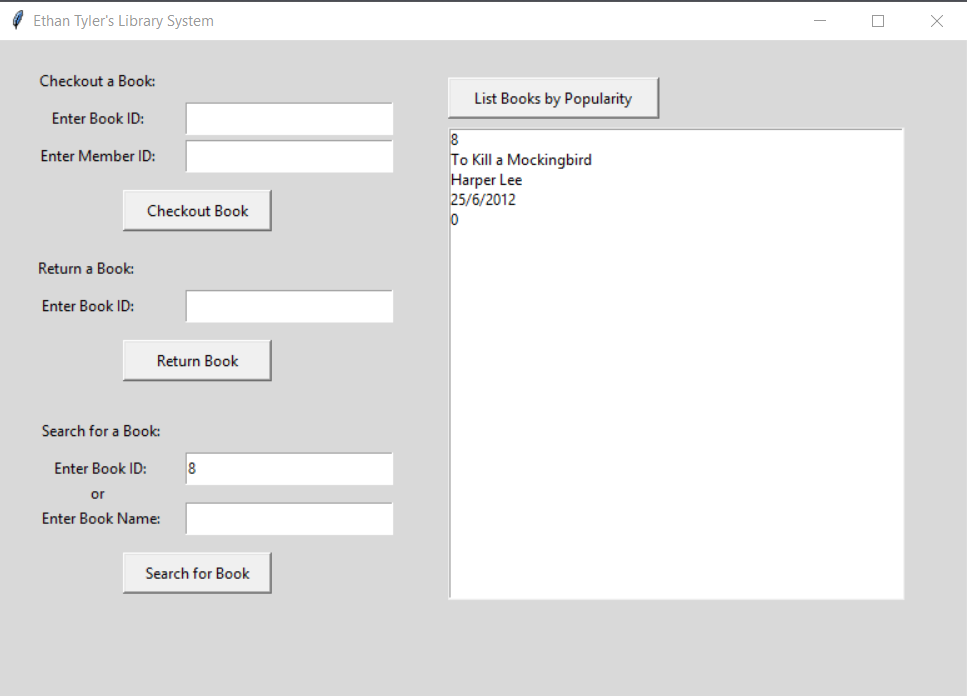
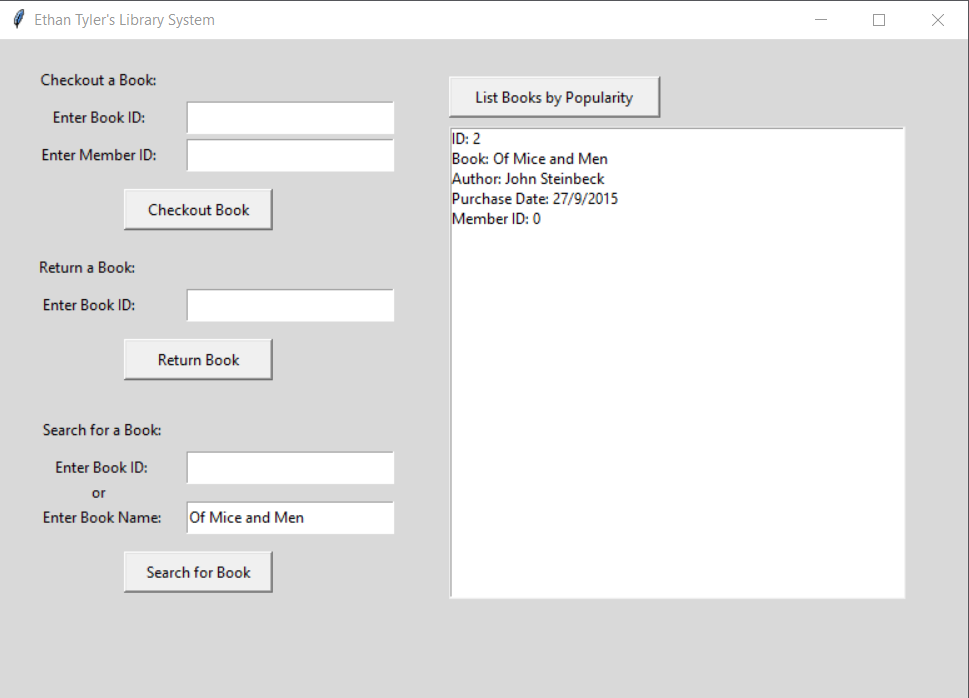
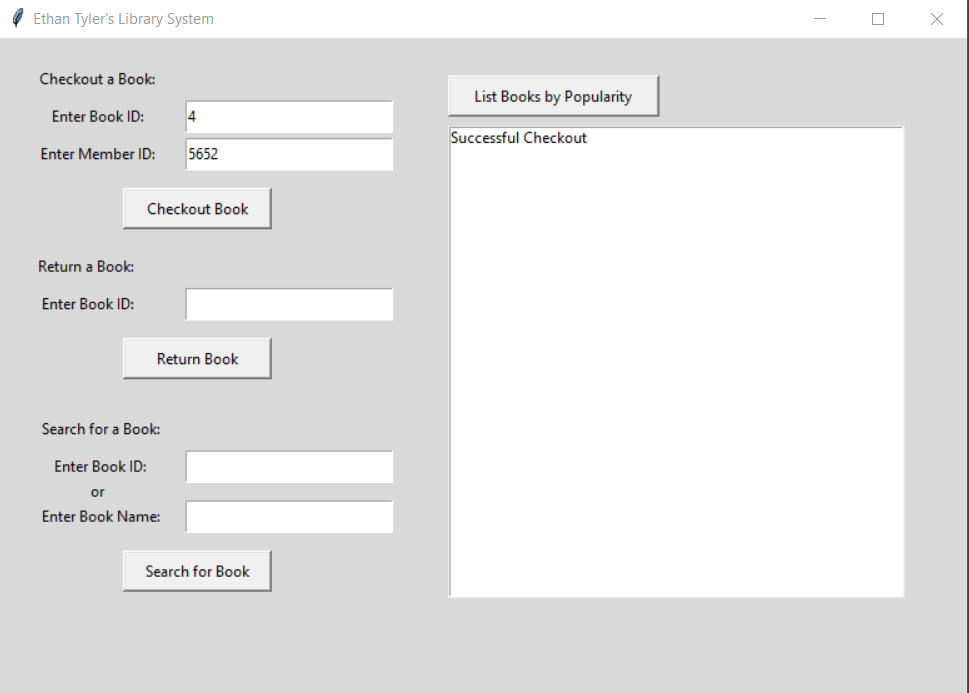
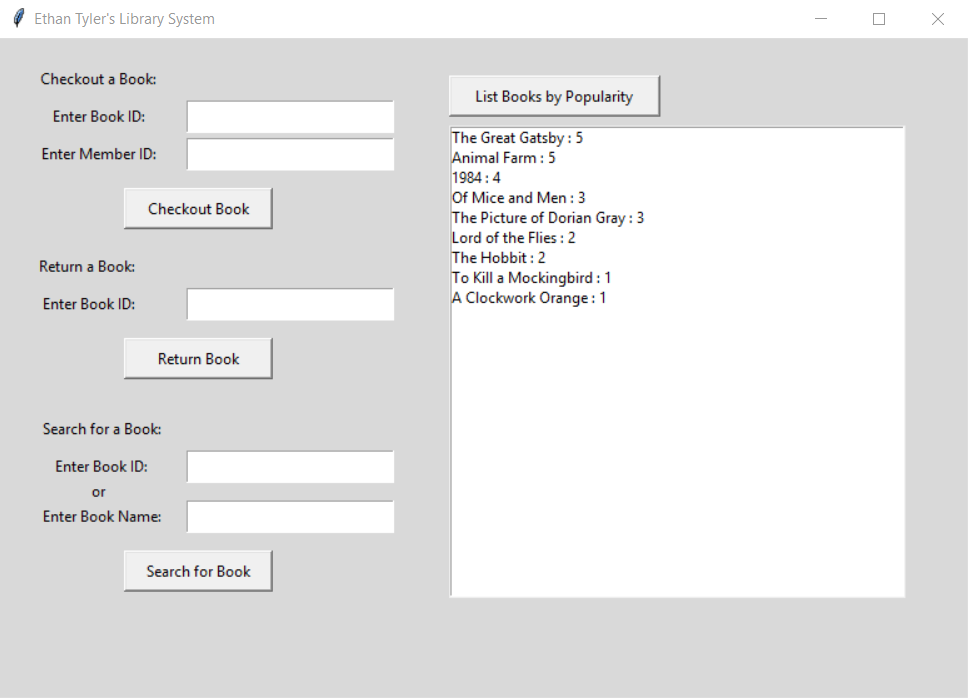
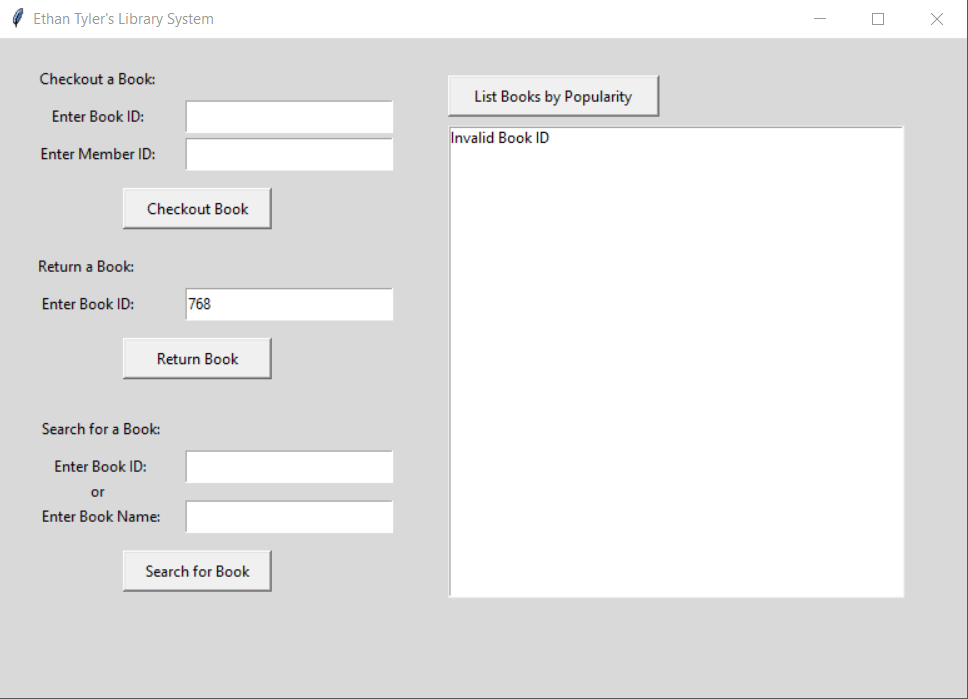
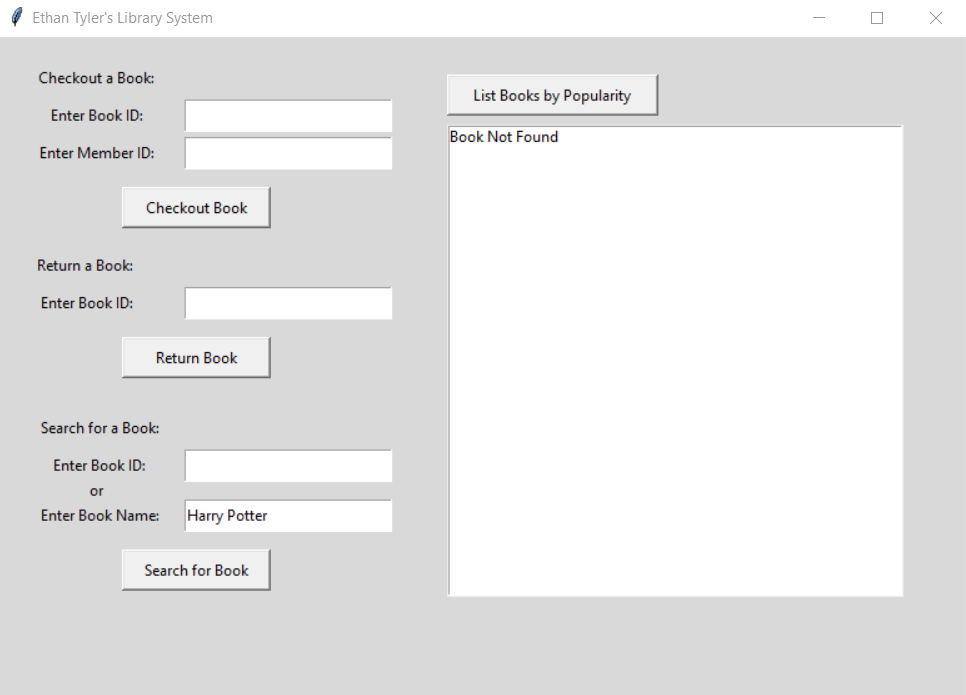
Library system using a text file as the database for the program with a GUI made with tkinter.
Was my first experience with Python and was the coursework for an
Introduction to Programming module, the project was awarded a 1st (78%).